

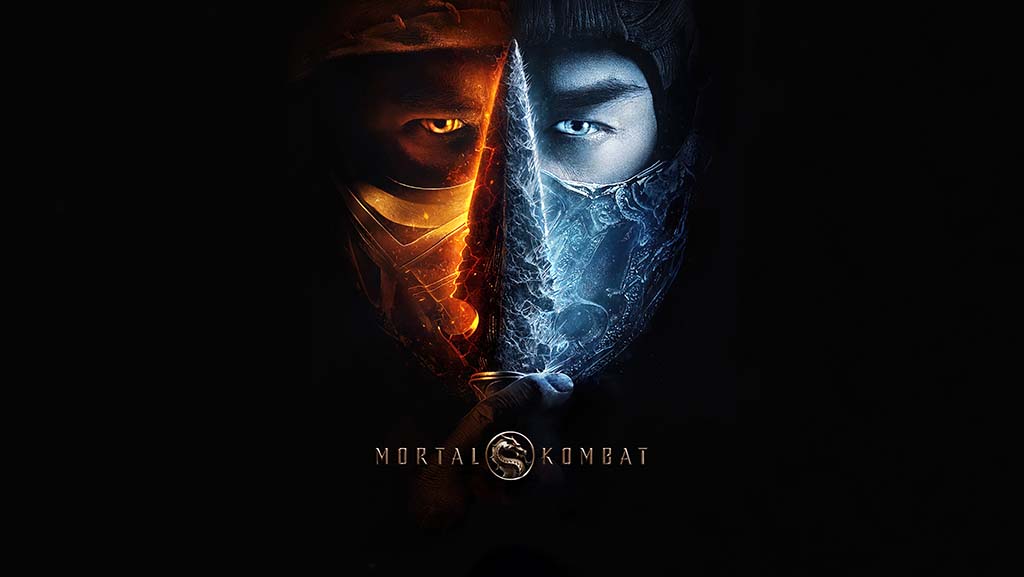
The Quick Take
- The Vibe: High-budget fan service trapped in a B-movie script. It’s R-rated—which is mandatory—but feels like it’s pulling its punches.
- The High: That opening ten-minute prologue. It is a masterpiece of martial arts storytelling.
- The Low: The lore changes are baffling. Changing iconic backstories and introducing “Arcana” as a superpower was an unnecessary, out-of-context fumble.
I. Introduction: The R-Rated Redemption
The Legacy: Mortal Kombat isn’t just a game; it’s a pillar of the industry. And unlike its peers, it actually boasts a competent legacy on the big screen. The 1995 film featured the right cast, the right atmosphere, and a story that respected the source material.
Did we need a reboot in 2021? Absolutely. The franchise deserved a modern, visceral update. But comparisons to the original were inevitable. While technology has advanced, the soul of the 2021 cast felt… inferior. It’s hard to compete with the likes of Robin Shou or the iconic Hiroyuki Tagawa. Tagawa’s Shang Tsung was so definitive his face was literally patched into the games.
Fortunately, the 2021 reboot tried to carve its own path through blood and gore. We finally got the R-rated fatalities we’ve craved since the 90s, but even with the viscera, the film struggled to step out from the 1995 version’s massive shadow.
The 2026 Perspective: With the sequel just around the corner, I’ve started viewing the 2021 film as a long-form prologue. Judging by the recent trailers for Mortal Kombat II, the producers seem to have learned from their mistakes. They’re promising a bigger, better, and more serious tournament. I’m holding a “small basket” for now, but I am cautiously optimistic.

II. Narrative Recap: Pre-Tournament Chaos
The Setup: The film anchors itself on the most legendary vendetta in gaming: Scorpion vs. Sub-Zero. It opens with the brutal end of their 17th-century conflict—or so Bi-Han thinks. After slaughtering Hanzo Hasashi and his family, Bi-Han believes the Shirai Ryu bloodline is extinct. He’s wrong. Raiden intervenes, saving Hanzo’s infant daughter and preserving the lineage.
Fast forward to the present day: Cole Young is a washed-up MMA fighter unaware of his Shirai Ryu heritage. Born with a dragon-shaped birthmark, Cole is thrust into a war for survival when Sub-Zero emerges to finish what he started centuries ago.
The Goal: The first half of the film is a recruitment drive. Cole, Sonya Blade, Jax, and a hilariously treacherous Kano must reach Raiden’s temple to join Earthrealm’s champions. There, they face their greatest hurdle: unlocking their “Arcana”—the supernatural power granted to those bearing the dragon mark.
The Conflict: Shang Tsung isn’t waiting for the tournament. His plan is simple: cheat. By assassinating Earthrealm’s fighters before the bell even rings, Outworld ensures a walkover victory. For Sub-Zero, however, it’s personal. He won’t rest until the last descendant of Hanzo Hasashi is frozen solid.
III. The Heart: Cole Young vs. The Legends
The New Guy: The film’s biggest “foul” is Cole Young. He serves as the bridge between the ancient rivalry and the modern day, but was he necessary? Absolutely not. The Mortal Kombat roster is overflowing with legendary lore and fan-favorite protagonists. Why invent a generic MMA fighter when you have the entire Chosen One legacy to pull from?
The Arcana: The second foul is the Arcana system. Writers claim this was a way to ground the characters’ powers, but in a universe filled with gods, sorcerers, and interdimensional realms, do we really need a “scientific” explanation for fireballs and razor-rimmed hats?
Even worse, the Arcana ruins characters who rely on technology. Seeing Jax’s mechanical arms or Kano’s laser eye explained as “soul-magic” feels cheap and nonsensical. It’s a massive lore departure that adds zero value to the story.

IV. The Antagonist: The Chill of Sub-Zero
Bi-Han: If anyone walks away with an “S-Rank” in this movie, it’s Joe Taslim. His Sub-Zero is magnificent and genuinely terrifying. He plays the role like a slasher-movie villain—relentless and cold. Taslim is a world-class martial artist, and his physicality makes Bi-Han the most credible threat the franchise has ever seen on screen.
The Lackeys: Unfortunately, the rest of the squad is “fatality fodder.” Mileena, Reiko, and Nitara have zero character arcs and even worse costume designs. They are entirely forgettable, existing only to die in impressive ways.
Kabal: The lone survivor of the “villain slump” is Kabal. His design is excellent, his super-speed is portrayed perfectly, and his role in manipulating Kano gives him some much-needed agency. His death by Liu Kang’s fire dragon is a highlight, ensuring his screen time wasn’t a total waste.
V. The Expansion: World Building & Fan Service
The Lore: While the trimmings have changed, the core skeleton remains: Earth’s fighters must gather to stop an invasion. We don’t get the actual tournament here—that’s being saved for the sequel—but the world-building is dense. The movie is packed with Easter eggs; my favorite was Jax mentioning “Eddie Tobias,” a clever nod to creators Ed Boon and John Tobias.
The Gore: This is where the reboot earns its keep. The R-rating allows for the kind of gruesome carnage the games are known for. Kung Lao’s spinning hat fatality followed by the “Flawless Victory” quote was pure, unadulterated fan service. If you came for the blood, the movie delivers.

VI. The Final Battle & The New Black Panther (Sub-Zero/Scorpion Duel)
The climax is the clash we were all waiting for. Sub-Zero lures Cole to his lair by freezing his family in a small but effective shock moment. But the real “wow” arrives when the chained kunai spears Sub-Zero’s hand from the shadows.
Scorpion’s Return: Hanzo’s return is punctuated by the iconic “Get Over Here!” It’s a lovely, high-impact fight between the two biggest names in the franchise. However, I wasn’t a fan of Cole intervening. Hanzo should have finished Bi-Han alone; the tag-team finish felt like it undercut the personal weight of the 400-year-old grudge.
The Climax: Raiden eventually banishes Shang Tsung back to Outworld, leaving the door wide open for an expanded universe. The teaser for Johnny Cage as Cole heads to Hollywood is a cool nod, though it left me more curious than genuinely hyped.

VII. Final Verdict & “Mood” Rating
Final Thoughts: Mortal Kombat (2021) is a mixed bag. I’m glad Warner Bros. gave us a modern, bloody version of the franchise, but they missed the mark on character depth and lore logic. The sequel has a lot of heavy lifting to do. If the producers can move past the “Arcana” nonsense and shift Cole to a supporting role, the franchise can still be saved.
I have to give kudos to the VFX team—the ice effects and Raiden’s lightning are impressive. However, the music is a step down from the 1995 original. Even though it follows the path of the original one, with cool techno themes and electronic sounds, in total, the music is inferior to the first movie. No classic themes here.
What Threw Me Out of the Experience:
- The Arcana/Cole Young Problem: Useless changes to an already perfect lore.
- Jax’s Arms: They look artistically “ugly” because they had to fit the Arcana-transformation gimmick.
- Goro’s Death: Killing a Shokan Prince in a barn like a common assassin is a crime. He should have been a boss fight.
- Liu Kang’s Backstory: Changing his “Chosen One” status was a useless tweak that didn’t improve the character.
- Rushed Pacing: Training at Raiden’s temple happened too fast. We needed more time for the team to bond.
The Rating: This isn’t a “Flawless Victory.” It’s more of a “Test Your Luck” attempt. The potential is there, but the execution is uneven.
The Mood: I want to be clear with you. I wasn’t hyped for the sequel after finishing Mortal Kombat, as it left me with a sour taste. But the 2026 trailers for the sequel have successfully pulled me back in. I’m ready for May 8th. My advice? Watch the reboot for the fan service and the Scorpion/Sub-Zero rivalry, but treat it as a very long intro for the main event.