

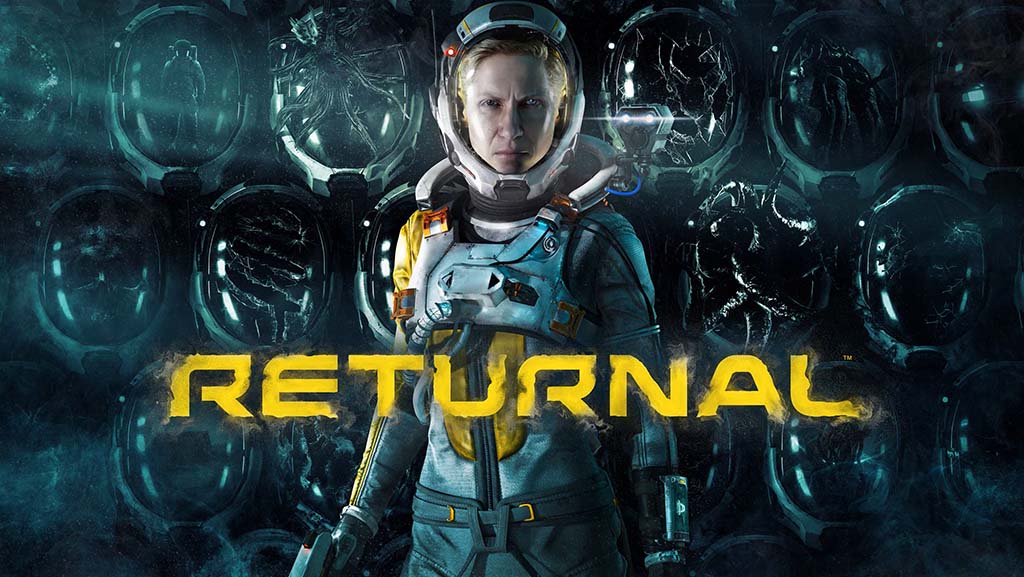
The Quick Take
A haunted planet, oppressive ambient noise, and an environment that wants you dead. These phrases only scratch the surface of Returnal. This PS5 exclusive may have slipped under the radar for many—including myself—but after finally reaching the end, I can say for certain: Housemarque has delivered one of the absolute best titles in the PlayStation 5 library.
1. Introduction: The Housemarque Gamble
The Background: Housemarque isn’t exactly a newcomer to the industry. In fact, they’ve been crafting exclusive titles for Sony since 2007, long before they officially joined the PlayStation Studios family. That partnership was cemented in June 2021, following the massive critical success of Returnal.
The most impressive part? Housemarque was previously known for “small” production, high-octane bullet-hell games like Resogun. Making the leap from indie-style arcade titles to a massive, AA third-person roguelike shooter was a monumental risk. Were they justified? If their current status as a core PS Studio is any indication, the answer is a resounding “Yes.”
Personal Context: As I mentioned, I skipped this one at first. It sat in my backlog for a long time while I prioritized other titles I was more eager to try. The “backlash” for me was the reputation: I kept hearing the game was brutally difficult and forced you into multi-hour runs without the ability to save.
Perhaps I’m lucky, but I finally dove in via my PS Plus Extra subscription, benefiting from years of patches and quality-of-life improvements. Even though I don’t consider myself a “hardcore” gamer, I didn’t actually find the game overwhelmingly difficult in the end. However, I can’t speak to the “primitive” form Returnal took at launch.

2. Narrative Recap: Searching for the White Shadow
The Setup: The game grabs you by the throat from the very first second. No menus, no long intros. You press “Start” and the journey begins instantly. Our protagonist, Selene Vassos, crashes her ship on the deserted, hostile planet of Atropos. The story immediately hooked me; then, I found my own corpse and played the audio log. Chills literally ran down my arms as I realized this wasn’t going to be a common sci-fi tale. The loop had begun.
The Mystery: The mission is deceptively simple: Find the “White Shadow.” This goal only adds more layers to the already established mystery of the setting. As you progress, the remnants of an ancient civilization are everywhere—statues, crumbling structures, and bizarre alien technology. And then, there’s the house. A typical 20th-century home sitting on a cliff where it absolutely shouldn’t be. Any doubts I had vanished at that moment. I found myself exploring every corner of every room, hungry for lore. I was completely intrigued.
The Twist: Returnal is no walk in the park. Like any roguelike, death is a teacher; you die, you restart, you get better, and you upgrade. The brilliance is that every run offers something new—a new piece of the story or a new insight into the civilization that once thrived here. At the end of the third biome, a massive twist arrives that left me utterly confused in the best way possible. I won’t spoil it here, but it gives you a completely different take on Atropos. My only thought was: “What the f**?”* I just wanted to keep playing to uncover the truth.
The “Psychological” Layer: This game guards its secrets until the very last frame. You piece it together through audio logs, monuments, and items, but in reality, the only thing that can stop you from playing is your own fatigue.
Beyond the unparalleled action and mystery, Returnal features first-person sequences that will make your skin crawl. I’m not sure “horror” is the exact word, but I definitely fell victim to a jump-scare or two. Those house sequences are psychological masterclasses.

3. The Heart: The Gameplay Loop & The “Click”
The Difficulty: I have to be honest—I didn’t find the game (or its bosses) particularly difficult. I rarely took more than 3 or 4 tries to down a boss. The real challenge was building a character with weapons and items that complemented my specific playstyle. I eventually learned which weapons felt “right” and prioritized finding them before pushing forward. I also learned that raising your Proficiency is essential before entering new biomes, so that became a primary focus.
Perhaps the game was much harder at launch, but with the save system, shortcuts, and checkpoints between the two “acts” (Biomes 1-3 and 4-6), progression felt manageable. However, casual players should still be wary. The hardest part remains the time commitment; a single run can still take hours, and you can’t save in the middle of a specific biome. It can also be frustrating that progress isn’t always “visible,” as the game can be slow to reward you. But even on a “failed” run, you usually walk away with a permanent weapon trait or a minor upgrade that makes the next attempt easier.
The DualSense and 3D Audio: I’m a traditional gamer, so I actually don’t use the adaptive triggers—but I cannot ignore the magnificent haptic experience. You feel everything in your palms: the impact of projectiles, the hum of the weapons, and that famous, incredible rain effect. It is easily one of the best implementations of DualSense technology to date.
The controller response is flawless with zero lag. Shooting, jumping, and dashing happen exactly when you press the button. Combined with the fast-paced gameplay, the DualSense is the ideal partner for this journey.
As for the 3D audio? Do yourself a favor: play this with headphones. I used the Pulse 3D headset, and the experience was unmatched. You can hear exactly where an enemy is positioned and from which direction they are attacking. The ambient background music combined with that directional audio creates a level of immersion that sucks you directly into Atropos.
The Progression: Being a roguelike, RNG (luck) is a major factor. Generally, I was satisfied with the variety of artifacts and weapons, though sometimes it felt like the game was nudging me toward upgrades I wasn’t fond of.
My only real complaint is the Xenoglyph Ciphers. I’ve been hunting the Platinum trophy, but as many on Reddit have noted, those last few Ciphers are incredibly rare. Their appearance seems based on pure luck. Even after 70 hours of scouring every corner of every room, I still can’t find them.
On the other hand, the permanent unlocks—abilities that allow you to reach new areas—keep you coming back. Weapons also have permanent traits that level up the more you use them. I did find some weapons useless (mostly those without autofire), but that comes down to personal taste. Learning the temporary systems, like the five-level Adrenaline System, is the key to survival. Keep it at Level 5, and your life gets much easier. As for parasites and malfunctions? I found them to be high-risk for little reward. My advice: avoid the malfunction items entirely.

4. The Antagonist: The Planet and the Bosses
Atropos as the Enemy: From the moment you land, Atropos feels alive and hostile. Trapdoors, hazards, and enemies are everywhere, giving off a distinct Alien vibe. You truly feel like an unwanted guest, and I loved every second of it. The atmosphere of that first biome is incredible.
However, the area that made me most uncomfortable was the jump into the Abyss. That final biome makes you feel tense and pressured, as if you truly are at the bottom of the sea. When the journey finally starts to make sense at the end, you’ll find yourself desperately gasping for air. Exquisite atmosphere.
The Bosses: Pure epicness. Each boss has three distinct phases and unique patterns to memorize. While I didn’t struggle excessively, three of them stand out as legendary:
- Ixion: A flying, bird-like terror. Using headphones is vital here so you can hear his skyward attacks. Fighting him at the mountain’s peak is the first “real” wall you’ll face.
- Nemesis: While not overly difficult, the scale is mind-blowing. He is gargantuan, and you fight him in the sky, leaping between floating platforms. The sheer scale reminded me of a high-budget JRPG like Final Fantasy.
- Hyperion: This one will stick in my mind forever. As you climb the tower, you hear a majestic, haunting pipe organ. When you reach the top, you find Hyperion himself playing the song before the fight begins. An absolutely legendary setup.
The Eldritch Horror: Throughout the game, you uncover the tragic fate of the “Severed” and the ancient civilization of Atropos. The world-building and lore are as magnificent as the creature design. The enemies look like they crawled straight out of a Cthulhu story, ranging from mechanical flyers to tentacled nightmares.

5. The Visual & Audio Sensation
Performance: I played in Performance Mode on my base PS5. It runs at a rock-solid 60fps with zero frame drops, even when the screen is filled with neon bullets. Loading screens are non-existent, the shooting feels crisp, and I didn’t encounter a single bug or glitch. While I haven’t seen the PS5 Pro enhancements, I honestly don’t think Returnal needed them. It’s already perfect.
The Sound of Silence: Bobby Krlic’s score fits like a glove. Electronic ambient textures, distorted swells, and dark themes create an eerie companion for Selene’s descent into madness. The Hyperion theme is, without a doubt, the highlight of a big-budget production.
6. Final Verdict & “Mood” Rating
Final Thoughts: I truly have nothing but praise for Returnal. Housemarque outdid themselves by crafting this epic, niche roguelike. It’s a shame more people haven’t experienced it. While it isn’t as punishing as Dark Souls, it does require a level of dedication that won’t appeal to everyone.
Ultimately, Returnal is a haunting, mysterious journey that delivers on every front: gameplay, lore, story, and metaphor. Housemarque has proven they can stand among the giants. If I could change one thing, I’d make the runs slightly shorter—or at least offer a save point between biomes—but that’s a small gripe for an almost perfect game.The Rating: 9 out of 10 StageOne points.

